

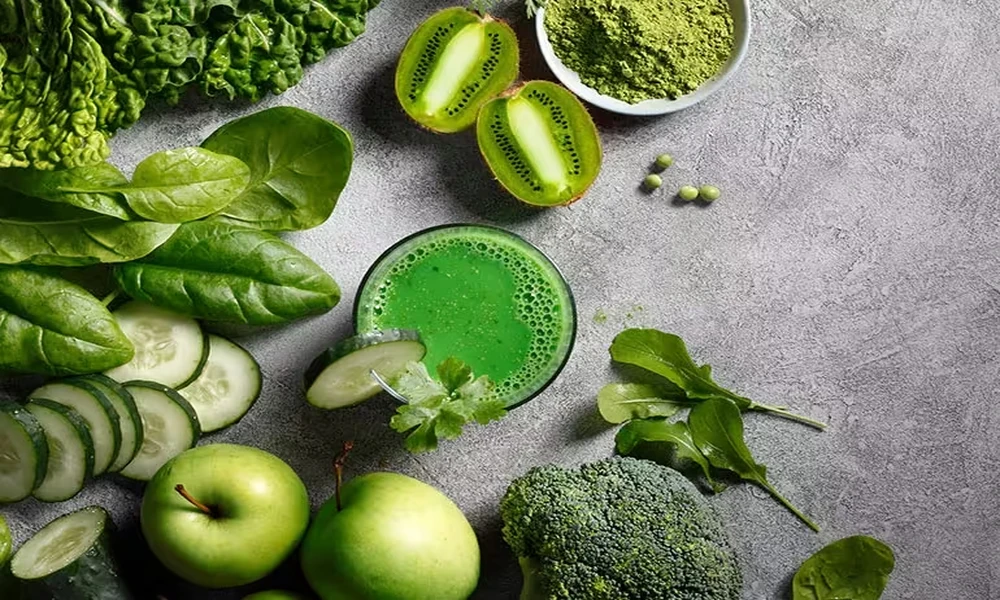
The digestive system breaks down the food you eat. The nutrients are absorbed to support immunity for healthy balance of gut bacteria. A low fiber diet can make you experience bloating.
You must build meal plans for healthy eating for your gut health.
Fibre rich breakfast
Eating breakfast introduces foods to your gut. Fiber supports a healthy digestion. You can add toppers to your oatmeal. This fiber can be got from different fruits, such as:
- bananas
- berries
- chia seeds
- ground flaxseed
Add scrambled eggs in cooked spinach to make a savory taste.
Start with smaller high fibre foods. Increasing your intake of fiber for a sensitive stomach is sensitive.
Balanced lunch
A nourishing lunch must combine:
- vegetables
- lean protein
- healthy fats
- whole grain carbohydrates
Here are examples of a balanced lunch:
- Prepare grilled chicken with:
- brown rice
- cooked carrots
- spinach
- avocado
- Prepare a vegetable bowl and lentils with a small amount of:
- olive oil
- quinoa
Lentils and other legumes contain fibre. It supports regular bowel movements. People sensitive to legumes must introduce them slowly.
Prepare a light dinner
Dinner must be an easily prepared meal. A baked salmon with sweet potatoes and steamed vegetables provides the following nutrients:
- protein
- healthy fats
- fibre
- important nutrients
You can make a satisfying evening meal from a vegetable soup containing:
- beans
- carrots
- pumpkin
- spinach
- other vegetables
Gut friendly snacks
Snacks prevent excessive hunger when eaten between meals. These are examples of snacks to eat:
- natural yoghurt containing live cultures
- banana with a small amount of nut butter
- handful of unsalted nuts
Fermented foods are good to your diet, such as:
- kefir
- kimchi
- sauerkraut
Stay hydrated
Water supports the gut during your eating routine. The fiber works effectively with:
- adequate fluid intake
- supports normal bowel movements
A plain water as the main beverage is better instead of relying on:
- detox drinks
- herbal cleanses
You can add flavor to your drink with:
- lemon
- cucumber
- mint
Drink herbal teas without excessive sugar in them. This helps for a balanced routine.
Limit foods that can upset your digestion
You must reduce eating foods, which cause digestive discomfort. You must limit foods that are:
- highly processed meals
- excessive added sugar
- heavily fried foods
- large amounts of alcohol
Keeping a simple food diary helps identify foods that consistently cause:
- bloating
- discomfort
- changing bowel habits
Sustainable gut health routine
Gut health improves through consistent habits. You must aim for varied meals that contain:
- vegetables
- fruits
- whole grains
- legumes
- nuts
- seeds
- suitable protein sources
A comfortable digestion is supported through:
- eating slowly
- maintaining regular meal times
You must talk to a healthcare professional before attempting a restrictive cleansing diet. You should not decide for yourself if you have:
- persistent abdominal pain
- unexplained weight loss
- blood in your stool
- severe diarrhoea
- ongoing digestive problems
FAQs
What is a gut healing diet?
A gut healing diet is an eating pattern emphasizing the following:
- nutrient rich foods
- fibre
- hydrating foods
Does a cleansing diet remove body toxins?
Body waste is removed from the body through:
- Liver
- Kidneys
A balanced diet supports normal body functions. But, extreme detox diets are unnecessary.
How quickly does gut health improve?
Some people notice:
This happens after making constant dietary changes.
Does yogurt help your gut health?
Yogurt contains live cultures for your gut health. You must include this to have a balanced diet. This food provides beneficial microorganisms to your gut. Choose options with a little or no added sugar.
Should you avoid all processed foods?
It is not necessary to avoid all processed foods. A practical method is to make minimally processed whole foods the start of your diet. Limit highly processed foods rather than following unnecessarily strict rules.
