

The allure of an African safari is timeless, drawing adventurers, nature enthusiasts, and wildlife photographers from across the globe. Among the many experiences offered by this vast continent, the “Big Five Safari” stands out as one of the most iconic and sought-after adventures. But what exactly makes the Big Five so special? Why do travelers flock to Africa in search of these magnificent creatures? In this article, we’ll delve into the history, significance, and magic of the Big Five Safari, offering insights into planning your own unforgettable journey.
What Are the Big Five Animals?
The term “Big Five” refers to five of Africa’s most majestic and awe-inspiring animals: lions, leopards, elephants, rhinoceroses, and Cape buffaloes. Contrary to popular belief, the name doesn’t signify their size or ferocity but rather their difficulty to hunt on foot during colonial times. These animals were considered the ultimate trophies by big-game hunters due to their elusive nature, strength, and resilience.
- Lion (Panthera leo): Known as the “King of the Jungle,” the lion symbolizes power and courage. Despite its regal status, spotting a lion in the wild can be challenging, as they are skilled at blending into their surroundings.
- Leopard (Panthera pardus): The elusive leopard is known for its stealth and agility. Often found lounging high up in trees, this solitary predator is notoriously difficult to spot, making sightings all the more rewarding.
- Elephant (Loxodonta africana): As the largest land mammal, the African elephant commands respect with its sheer size and intelligence. Observing these gentle giants interacting within family herds is a humbling experience.
- Rhinoceros (Black Rhino – Diceros bicornis & White Rhino – Ceratotherium simum): With two species native to Africa—the critically endangered black rhino and the more abundant white rhino—rhinos represent both beauty and fragility. Their plight against poaching adds urgency to conservation efforts.
- Cape Buffalo (Syncerus caffer): Often underestimated, the Cape buffalo is a formidable creature with unpredictable behavior. Its imposing horns and herd mentality make it a force to reckon against predators like lions.
Each of these animals plays a vital role in maintaining the balance of their ecosystems, making them not just symbols of Africa but also keystones of biodiversity.
The Origins of the Big Five Concept
The concept of the Big Five originated in the late 19th and early 20th centuries when European explorers and hunters ventured into Africa’s untamed wilderness. During this era, hunting safaris became a status symbol among the wealthy elite. The phrase “Big Five” was coined by hunters who ranked these animals based on the level of skill, patience, and danger required to track and kill them.
Over time, however, attitudes toward wildlife shifted dramatically. Conservationists began advocating for the protection of these species, leading to the rise of photographic safaris—a non-invasive way to appreciate and document wildlife. Today, the Big Five Safari has evolved into a celebration of Africa’s natural heritage, focusing on education, preservation, and sustainable tourism.
Why Choose a Big Five Safari?
A Big Five Safari offers far more than just the chance to see incredible animals; it provides a deeper connection to the environment and culture of Africa. Here’s why embarking on such an adventure should be on every traveler’s bucket list:
1. Unparalleled Wildlife Encounters
Seeing the Big Five in their natural habitat is an unparalleled experience. Unlike zoos or sanctuaries, witnessing these animals roam freely in the wild evokes a sense of wonder and respect that cannot be replicated elsewhere.
2. Diverse Landscapes
Africa boasts some of the world’s most breathtaking landscapes, ranging from sprawling savannas and dense forests to arid deserts and lush wetlands. Each ecosystem supports unique flora and fauna, adding layers of diversity to your safari experience.
3. Cultural Immersion
Many Big Five Safaris include opportunities to engage with local communities, learn about traditional customs, and support eco-friendly initiatives. This cultural exchange enriches the overall journey and fosters mutual understanding.
4. Conservation Awareness
By participating in ethical safaris, travelers contribute directly to conservation projects aimed at protecting endangered species and preserving habitats. Responsible tourism ensures that future generations can continue to enjoy Africa’s treasures.
Top Destinations for a Big Five Safari
Several African countries offer exceptional Big Five Safari experiences. Below are some of the best destinations where you can encounter these legendary animals:
1. Kruger National Park, South Africa
As one of Africa’s premier game reserves, Kruger National Park spans nearly 2 million hectares and hosts all five members of the Big Five. Its well-maintained infrastructure makes it accessible for first-time safari-goers while still offering thrilling off-road adventures.
2. Serengeti National Park, Tanzania
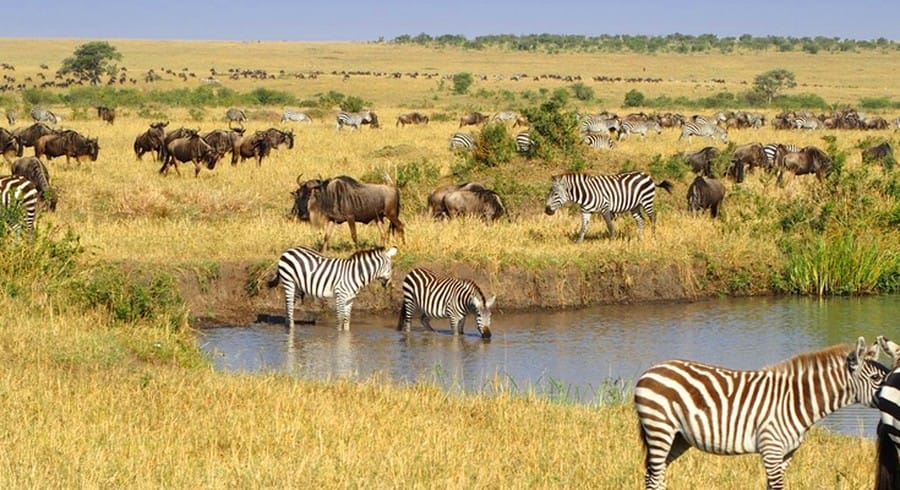
Famous for the Great Migration, the Serengeti is home to vast herds of wildebeest and zebras, alongside resident populations of lions, leopards, and elephants. The park’s golden plains provide a quintessential African backdrop.
3. Masai Mara National Reserve, Kenya
Adjacent to the Serengeti, the Masai Mara is renowned for its dramatic river crossings and abundant wildlife. Visitors often witness intense predator-prey interactions here, particularly during the migration season.
4. Chobe National Park, Botswana
Known for its massive elephant population, Chobe offers boat safaris along the Chobe River, providing close encounters with hippos, crocodiles, and waterbirds in addition to the Big Five.
5. Etosha National Park, Namibia
This park’s stark salt pans create a surreal setting for wildlife viewing. Etosha’s waterholes attract large numbers of animals, increasing your chances of spotting the Big Five.
6. Hwange National Park, Zimbabwe
Zimbabwe’s largest national park, Hwange, is famous for its diverse wildlife and excellent leopard sightings. Guided walking safaris allow visitors to explore the bush on foot for a more intimate experience.
Tips for Planning Your Big Five Safari
To ensure a memorable and successful safari, careful planning is essential. Here are some tips to help you prepare:
1. Choose the Right Time to Visit
The dry season (typically May to October) is ideal for safaris, as animals congregate around water sources, making them easier to spot. However, if you’re interested in birdwatching or witnessing the Great Migration, timing your trip accordingly is crucial.
2. Select a Reputable Tour Operator
Research operators that prioritize sustainability and adhere to ethical guidelines. Look for companies that employ local guides, support community projects, and minimize environmental impact.
3. Pack Appropriately
Comfortable clothing in neutral colors, sturdy shoes, binoculars, sunscreen, and a camera are must-haves for any safari. Don’t forget insect repellent and a hat to protect yourself from the sun.
4. Respect Wildlife Guidelines
Maintain a safe distance from animals, avoid loud noises, and follow your guide’s instructions at all times. Remember, you’re a guest in their home.
5. Consider Accommodation Options
From luxury lodges to rustic campsites, there’s something for every budget and preference. Opt for eco-friendly accommodations that blend seamlessly with the environment.
The Importance of Conservation in Big Five Safaris
While the thrill of seeing the Big Five is undeniable, it’s important to recognize the challenges facing these species. Poaching, habitat loss, and human-wildlife conflict threaten their survival. For example, rhinos are targeted for their horns, while elephants face threats from ivory poachers. Cape buffaloes and lions are also affected by shrinking habitats.
Tourism plays a critical role in addressing these issues. By choosing responsible operators and supporting conservation-focused organizations, travelers can help safeguard the future of the Big Five. Many parks and reserves allocate a portion of tourism revenue toward anti-poaching patrols, research programs, and community development projects.
Conclusion: Embrace the Magic of the Big Five Safari
A Big Five Safari is more than just a vacation—it’s an opportunity to connect with nature, gain a deeper appreciation for wildlife, and contribute to global conservation efforts. Whether you’re marveling at a lion’s roar echoing across the savanna, watching a leopard gracefully descend from a tree, or observing a herd of elephants bathing in a river, each moment spent in the wild leaves an indelible mark on your soul.
As you plan your next adventure, consider immersing yourself in the wonders of Africa through a Big Five Safari. Not only will you create lifelong memories, but you’ll also play a part in ensuring that these magnificent creatures continue to thrive for generations to come. So pack your bags, grab your camera, and embark on the journey of a lifetime—the heart of Africa awaits!
