

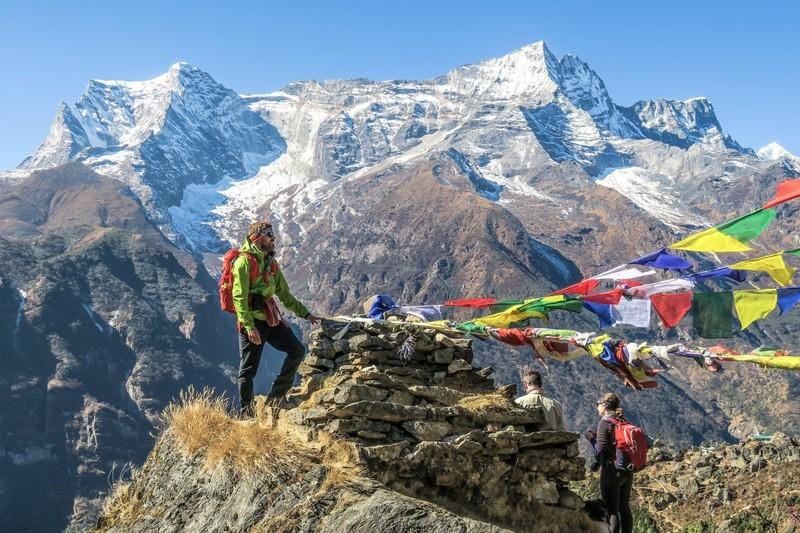
Trekking to Everest Base Camp is a dream for many adventurers around the world. This journey offers not only breathtaking views but also a significant physical challenge. As you prepare for this high-altitude trek, it’s essential to consider how to tackle the unique demands it presents successfully.
Understanding Altitude Acclimatization
One of the most critical factors in ensuring a successful trek is understanding and managing altitude acclimatization. Your body needs time to adjust to the lower levels of oxygen available at higher altitudes. To facilitate this, you should:
Plan your itinerary to include days specifically for acclimatization. This means staying at the same altitude for two or more nights and engaging in light activities during the day.
Avoid ascending more than 500 meters (1640 feet) per day once above 3000 meters (9842 feet).
Physical Preparation
Before you embark on your trek, investing time in physical preparation can significantly enhance your experience. Focus on cardiovascular fitness, strength training, and hiking practice. We recommend:
- Regular cardio workouts such as running, swimming, or cycling.
- Strength training for your legs, core, and upper body.
- Practicing hikes that include significant uphill and downhill sections.
Gear and Equipment
Choosing the right gear is paramount for your comfort and safety on the trek. Make sure you have:
- A sturdy pair of hiking boots that are well broken-in.
- Layered clothing that can handle a wide range of temperatures.
- A high-quality sleeping bag rated for temperatures below the coldest you expect to encounter.
Nutrition and Hydration
Maintaining good nutrition and staying hydrated can make a significant difference in how you feel and perform during the trek.
- Drink plenty of water throughout the day. Aim for 3-4 liters daily.
- Eat meals rich in carbohydrates and proteins to maintain your energy levels.
Health and Safety
High-altitude sickness is a serious risk and can be life-threatening. Be vigilant for symptoms like headaches, nausea, and dizziness. If symptoms worsen, it’s crucial to descend to a lower altitude immediately.
- Carry a basic first aid kit equipped for common injuries and ailments.
- Consider bringing altitude sickness medication after consulting with a healthcare provider.
Choosing the Right Time to Trek
The best times to embark on the Luxury Everest Base Camp Trek are during the pre-monsoon months of March to May and the post-monsoon months of late September to November. These periods generally offer clearer skies and more stable weather conditions, enhancing your experience and safety.
Embracing Local Culture
While the physical journey to Everest Base Camp is exhilarating, engaging with the local Sherpa culture adds a rich layer to your adventure.
- Learn a few basic phrases in Nepali.
- Show respect for the natural beauty as well as the elders there.
Trekking to Everest Base Camp is an incredible experience that requires thorough preparation and a respectful approach to the natural environment and local cultures. By following these tips, you will enhance your readiness and enjoyment of the trek, ensuring that the journey to the base of the world’s highest peak is memorable and safe.
Remember, the journey is as rewarding as the destination itself, and the friendships, insights, and experiences you’ll gain along the way are what truly enrich your adventure. Let’s lace up our boots, respect our surroundings, and embark on an unforgettable expedition.
